

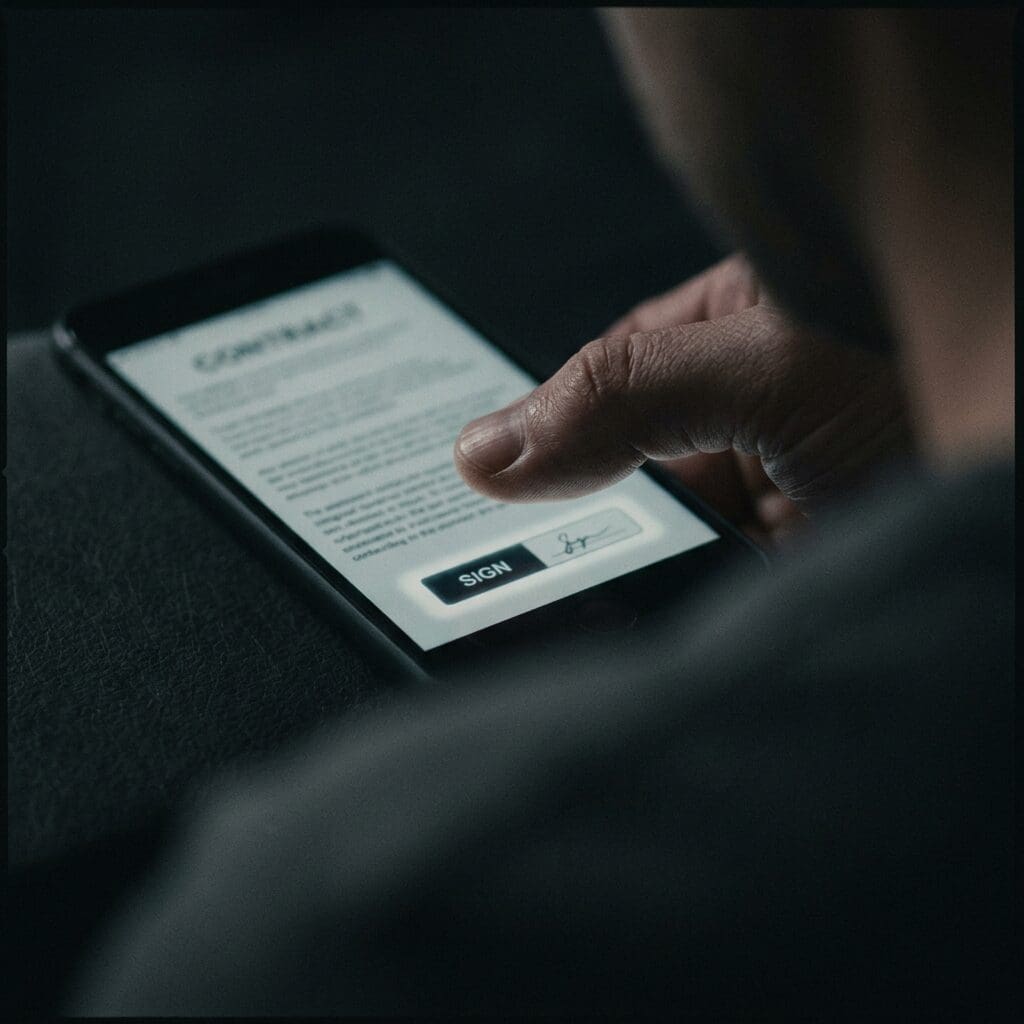

Somewhere this week, a parent signed something for their child.
The kid was thrilled. The agent called it standard, and damn near everyone in the room was smiling. And nobody read the one little line in the contract out loud.
I’m not telling you this to frighten you. I started in this world at four years old. I know how good that room feels. That attention, the sense that someone finally sees your kid the way you do. The excitement is real, and it should be. A child getting picked is a beautiful thing, and it deserves to be celebrated, not braced against.
But here’s what nobody tells the parent:
The clause that costs you is almost never the one you’d fight. It’s the one you sign, maybe because it felt rude to ask, or slow to read, or because you didn’t want to be the “difficult” parent who held up the room. There’s a specific fear in this industry that the parent gets judged too, that a child who comes with a cautious parent is more trouble than they’re worth. That fear is real. It’s also exactly how the contract gets signed, even with that line in it.
The headlines lately have made this concrete.
This month, around a thousand people in the industry signed an open letter asking studios to stop putting clauses in children’s contracts that hand over a young performer’s voice; to record it, copy it, and reuse it, potentially long after the child has grown or gone. The specifics are still being argued. But the shape of it isn’t new. It’s the same shape it’s always had: a child can’t read a contract, and a parent shouldn’t have to read it alone.
So let me say the thing I wish someone had said to the adults around me:
Pausing isn’t difficult. Pausing is the whole job.
You don’t protect your kid by walking into every room suspicious of everyone in it. That’s exhausting, and it’s not actually effective. It just makes you the person no one wants to work with, which helps no one, least of all your kid. You protect your child by knowing which questions to ask before you say yes. The excitement stays. The protection comes with it. Those two things were never in competition, even though it can really feel that way.
That’s the entire reason I built the free guide below. Twelve questions, in plain language, no lawyer required. These are the questions I’d want a parent to have in their hand the moment someone slides a contract across the table. Or, let’s be real, your inbox.
Save it for the day it’s your turn. Send it to the parent you know whose turn is coming.
→ Get the twelve questions free: nightwingnavigation.com/before-you-say-yes






Read the Comments +