


“Good Job” Isn’t the Problem
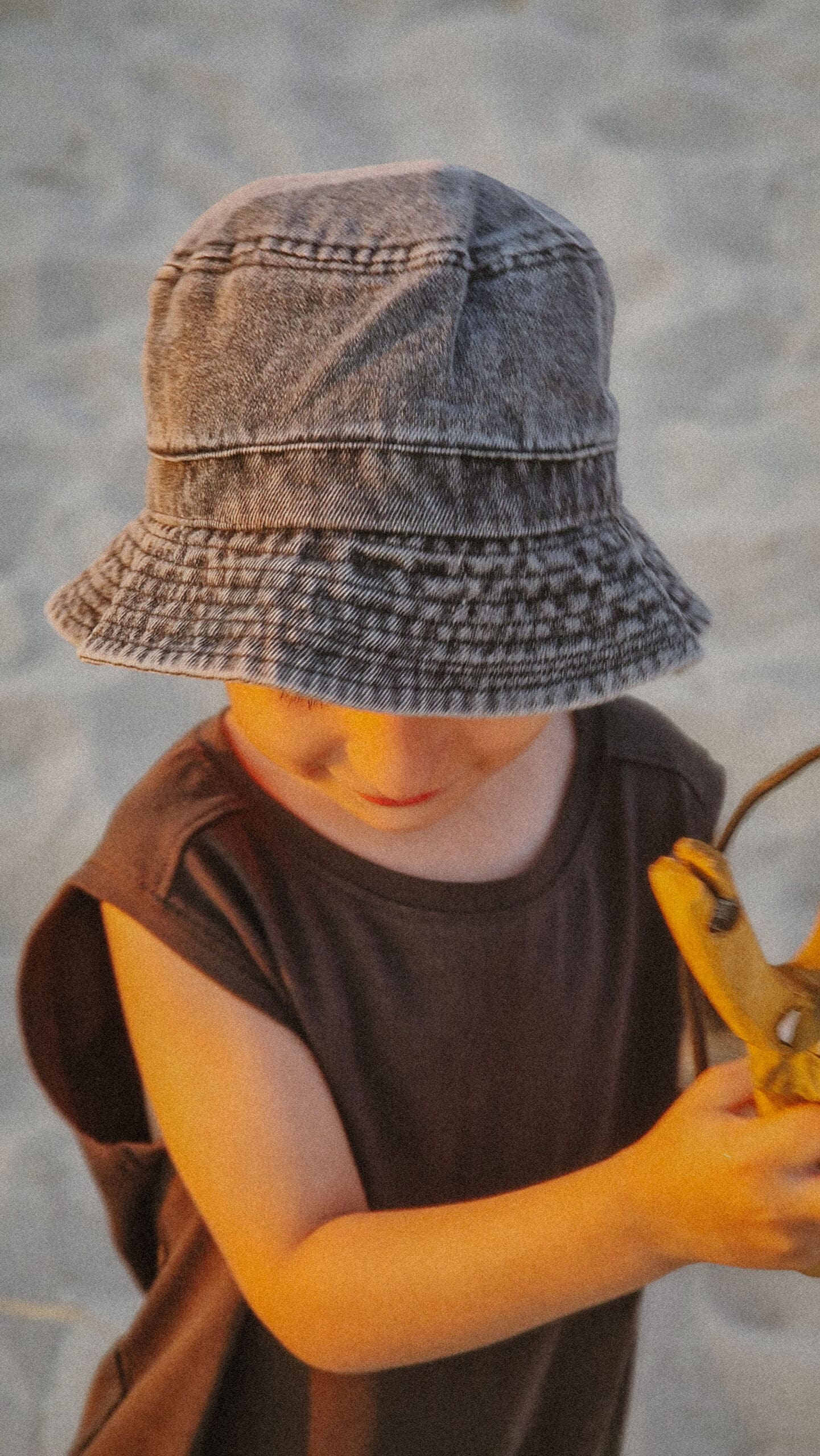
Last night my 3.5-year-old picked up his electric guitar and held it like he was twenty-five. Not “kid holding a guitar” cute. I mean: elbow set, body angled, strumming with rhythmic correctness. Stank face and all. He leaned back like he’s done a thousand small bar gigs and knows exactly where the hook lands.
Then my 2-year-old joined him with maracas. She kept time with her hands and a different time with her whole body, singing along like the song belonged to her. She was in tune. She was committed. She was, inconveniently, undeniably talented.
I felt it rise in me like a sneeze I couldn’t stop. Good job. You’re amazing. Did you hear that? Look at you. My whole chest wanted to applaud them into the stratosphere.
And then I paused.
Not because praise is bad. Not because I’m trying to raise two monks who don’t care what anyone thinks. I paused because I’ve seen how fast a child can learn this equation: I feel most alive when the room claps for me.
That equation is sticky. It follows people into adulthood. It turns joy into a job. It makes a kid look up after every song like your face is the scoreboard.
So I tried something else.
What if I comment on their joy instead?
Scripts for Kids 7 and Under
These are not perfect lines. They’re not magic. They’re just small choices that keep you from turning your child into a tiny employee of your approval.
Use what sounds like you. Skip what doesn’t. The goal is not to stop praising. The goal is to stop making your praise the fuel.
Right after they perform
When your kid finishes and your whole body wants to shout “GOOD JOB,” try one of these first. They land like applause, but they don’t hand your child the keys to your nervous system.
- “You were so in it.”
- “That looked fun. Like, real fun.”
- “I loved watching you enjoy that.”
- “You went for it. No hesitation.”
- “You kept going even when it got a little tricky.”
- “Your face was serious in the best way.”
- “You were listening with your whole body.”
- “That made the room feel alive.”
- “Do you want a hug, a high five, or do you want to do it again?”
If you still want to say “good job,” you can. Just attach it to something that belongs to them, not to you.
- “Good job staying with it.”
- “Good job noticing the beat.”
- “Good job playing like you meant it.”
That small shift matters. It turns “good job” from a verdict into a mirror.
When they look at you for the verdict
This is the moment that changes everything. The song ends and they snap their eyes to you. Not for connection. For grading.
You don’t need to shut it down. Just hand the center of gravity back to them.
- “How did that feel to you?”
- “What part did you like most?”
- “Were you trying something new?”
- “Do you want me to notice something, or do you just want me to watch?”
- “I’m here. I’m watching. You tell me what you’re proud of.”
If they keep pressing, give them a steady anchor.
- “I love watching you, and you don’t have to impress me.”
That line is not dramatic. It’s structural. It holds up a whole childhood.
When you genuinely think they’re exceptional
Sometimes your kid is not just cute. They’re good. They have a gift. You can name that. Just don’t make it the rent they pay for love.
- “You have a gift for rhythm.”
- “You’re really musical.”
- “You pick things up fast.”
- “Your body understands the beat.”
Then immediately bring it back to something that keeps them safe.
- “And you don’t owe anyone a performance.”
- “I hope it always stays fun.”
- “You get to be a kid first.”
If you want a line with bite, because sometimes the moment needs it:
- “Talent is real. So is rest. We’re doing both.”
When your child starts asking, “Was I good?”
This is where parents accidentally build a tiny approval addict without meaning to. The question sounds innocent. It isn’t. It’s a check-in about belonging.
Answer the belonging first. Always.
- “You don’t have to be good for me.”
- “I love you whether you perform or not.”
- “Nothing about that changes how I feel about you.”
Then shift the focus away from judgment.
- “Did it feel good to do?”
- “Did you have fun?”
- “What were you trying to do?”
If they’re upset or ashamed, keep it simple and close.
- “That feeling is big. I’m right here.”
- “You’re safe with me.”
When family or friends go big with praise
Grandparents mean well. Aunties mean well. The world means well. And still, the praise can become a spotlight your kid starts chasing.
You don’t need to correct people like a hall monitor. Just redirect gently, like you’re turning a steering wheel.
- “Thank you. We’re trying to focus on how it feels to play, not just being ‘good.’”
- “We love cheering their joy.”
- “Yep, they’re having a blast. That’s the win.”
If you want to be even cleaner:
- “We’re keeping it playful over here.”
Most people will take the hint.
When you go too big, and you feel it
You will. I do. You’ll say the thing, and later you’ll realize you accidentally raised the stakes.
Repair is not a dramatic confession. It’s a tiny course correction.
- “I got so excited I made it sound like you had to impress me. You don’t.”
- “I love watching you, but you never have to perform for my love.”
- “You get to do this because you like it, not because you have to earn claps.”
Kids don’t need perfect parents. They need parents who can come back.
A small note from me
Sometimes we think the only two options are: praise them like a sports commentator, or say nothing and hope they still feel seen.
There’s a third option. Witness them.
Name their joy. Name their effort. Name the life in them. Let the applause be a warm breeze, not the engine.
Consider this:
- When you say “good job,” what are you hoping your child feels?
- After they perform, do they look for connection or for a verdict?
- What would it change if the “win” at home was joy, not excellence?
- What do you want them to remember about you watching them?
If you want help finding language that fits your child’s temperament and your family values, coaching can be a place to practice it. Not to fix your kid. To protect the bond while they grow.





Read the Comments +